
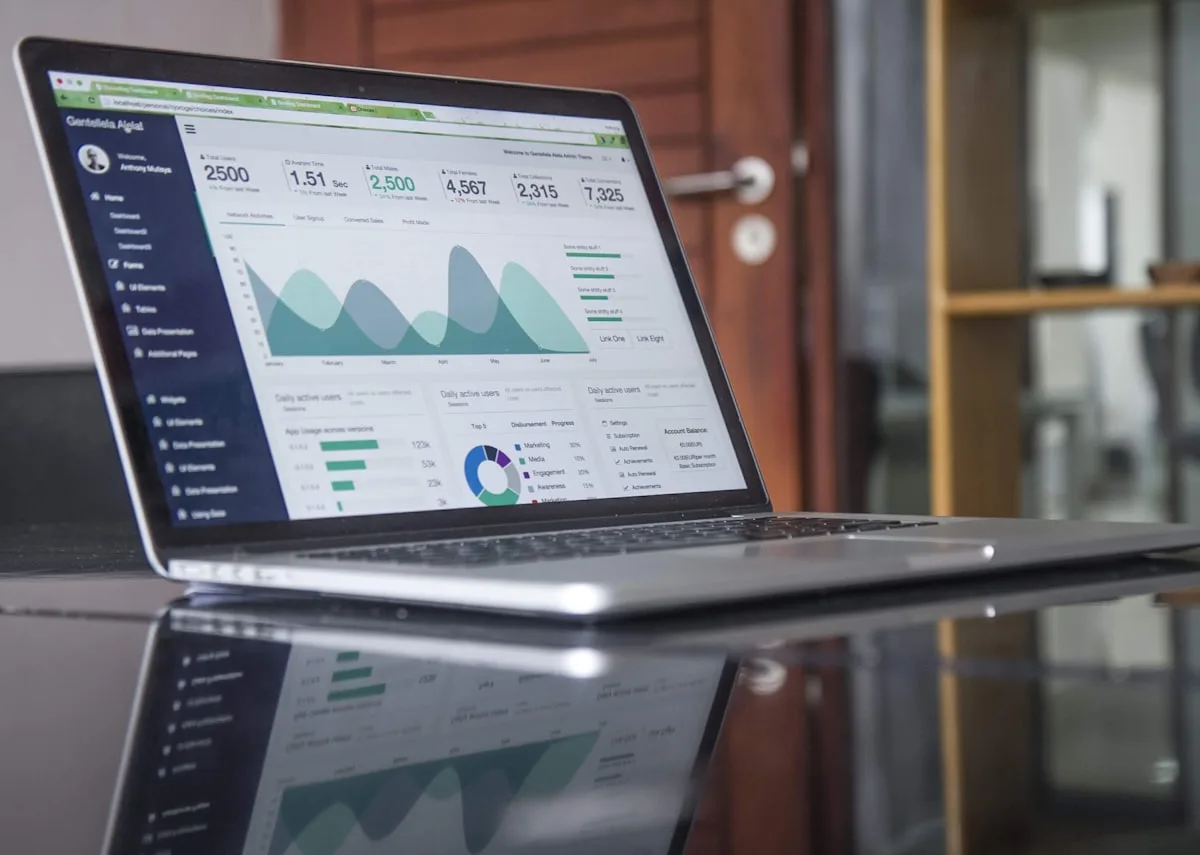
The SaaS Subscription Sprawl Problem
As businesses expand from small teams into multi-department enterprises, their software stack frequently becomes a tangled mess of disjointed SaaS applications. A company might use one tool for lead tracking, another for billing, an outdated desktop spreadsheet for warehouse inventory, and WhatsApp groups for employee dispatch.
This software fragmentation forces staff to spend countless hours manually copy-pasting data between systems, leading to human errors, delayed order fulfillment, and zero real-time operational visibility.
The Operational Tipping Point: When to Build Custom Software
Off-the-shelf tools are ideal for standardized functions like general bookkeeping or basic customer emails. However, proprietary software development becomes the higher ROI decision when businesses reach specific operational inflection points:
- Escalating Per-User License Fees: Paying monthly per-seat subscription fees for 50 to 200 employees often costs more annually than commissioning a proprietary system that you own permanently.
- Unique Manufacturing or Supply-Chain Logic: Generic SaaS tools cannot adapt to specific production stages, raw material yield calculations, or custom batch tracking required in regional hubs like Udumalpet, Palani, and Tiruppur.
- Data Sovereignty & Security: Highly sensitive client lists, pricing formulas, and financial ledgers stay within your private, dedicated database rather than being hosted on third-party public clouds.
- Competitive Advantage: A proprietary operational portal allows your company to fulfill orders faster, automate quote generation, and deliver customer service that competitors relying on generic tools cannot match.
Core Modules of an Impactful Custom Operations Hub
When engineering bespoke enterprise software, our focus is always on high-leverage workflows that immediately reduce administrative burden:
1. Centralized Invoicing & GST Compliance: Generating accurate commercial invoices, payment milestone links, and tax reports with automated reconciliation.
2. Real-Time Inventory & Stock Ledgers: Tracking raw material consumption, warehouse movements, and low-stock alerts across multiple branches.
3. Role-Based Employee Portals: Providing clean, permission-restricted interfaces for sales executives, warehouse operators, and financial controllers.
Calculating the Return on Investment (ROI)
A custom software system is an investment, not an ongoing operational drain. By eliminating redundant software subscriptions, reducing data entry labor by 60% or more, and preventing costly stockouts, most proprietary platforms pay for themselves within 9 to 14 months of deployment.
Build Your Proprietary Advantage with Cosuniq Technologies
Cosuniq Technologies engineers robust, intuitive digital tools tailored to your exact operational workflows. Explore our AI and custom software development services to see how bespoke automation can transform your business.
Ready to discuss an operational audit of your existing systems? Connect with our software consultants for a detailed technical consultation.
Cosuniq Engineering Team
Specialized insights and engineering practices from Cosuniq Technologies. We design, build, and scale high-performance web applications, mobile platforms, and digital systems.